




Publications / Other Publications (by NISPAcee Press)
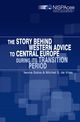
The Story behind Western Advice to Central Europe during its Transition Period
Iwona Sobis, Michiel S. de Vries
Date: 2009
ISBN: 978-80-89013-45-6
Publisher:
Price: 0 €(+ mailing costs)
Order contact: Hardcopy not available
Approximately 40 billion US $ went to the Central and East European countries in the form of technical assistance during their transition between 1990 – 2004. This book argues that much of this assistance was ineffective and traces the causes thereof. It follows the money and blame through the aid-chain of recipients, foreign advisors, donor-organizations and responsible politicians. Based on in-depth case-studies it concludes that it is due to the structure in which technical assistance is embedded, that professionals who care, listen, and have clients’ interests in mind, flee away, while professionals, who just want to do their trick and make money, without caring about the impact of their work, have entered this business.
Because this book combines the research into this problem with an overview of relevant social science theories, it is not only of interest for practitioners in the field but also for bachelor and master students in development studies, public administration, political and social sciences.Table of Contents
PREFACE
ACKNOWLEDGMENTS
POLITICAL AND ADMINISTRATIVE TRANSFORMATION: CRITICAL ANALYSIS AND SYNTHESIS OF THE LAST 20 YEARS AND THE ROLE OF NISPAcee
INTRODUCTION
GYÖRGY JENEI
HISTORICAL OVERVIEW: 20 YEARS OF TRANSITION
(1992) TO OHRID (2012)
MIRKO VINTAR
TRANSITION AND TRANSFORMATION: THE LAST 20 YEARS AND THE ROLE OF NISPAcee
GYÖRGY JENEI
ISLAMIC PUBLIC ADMINISTRATION – THE MISSING DIMENSION IN NISPAcee RESEARCH ?
WOLFGANG DRECHSLER
POLITICAL, ECONOMIC AND ADMINISTRATIVE REFORM IN CENTRAL AND
EASTERN EUROPE: MUCH ACCOMPLISHED, BUT WHAT HAVE WE LEARNED ?
ALLAN ROSENBAUM
EXPLAINING THE INCIDENCE OF ADMINISTRATIVE REFORM IN EASTERN
EUROPE
TATIANA KOSTADINOVA, MILENA I. NESHKOVA
OUT OF THE BOX: CEE AND CA TRANSITIONS AND PA PARADIGMS
MICHIEL S. DE VRIES
TOWARDS SOME THEORETICAL AND PRACTICAL ASSUMPTIONS: COMPARATIVE ANALYSIS OF INSTITUTIONS, MODELS AND PRACTICES
PATRYCJA J. SUWAJ
PUBLIC ADMINISTRATION DEVELOPMENT IN BULGARIA FOR THE LAST TWO DECADES
POLYA KATSAMUNSKA
SLOVENE ADMINISTRATIVE REFORMS: AT THE CROSS-SECTION OF POSTSOCIALISM, LEGALISM AND GOOD ADMINISTRATION
POLONCA KOVAČ
MANAGERIAL REFORM IN ROMANIA: A CASE STUDY OF STRATEGIC CHANGE
CĂLIN HINŢEA, MARIUS PROFIROIU
BETWEEN CONTINUITY AND CHANGE: THE ANALYSIS OF THE ESTONIAN
CIVIL-SERVICE TRAINING SYSTEM
TIINA RANDMA-LIIV, MERILIN METSMA, KÜLLI SARAPUU
PUBLIC ADMINISTRATION IN GEORGIA: TWENTY YEARS OF DEVELOPMENT
MALKHAZ MIKELADZE
PUBLIC ADMINISTRATION IN SLOVAKIA – ONE STEP FORWARD, TWO STEPS
BACK ?
TOMÁŠ JACKO, ĽUDMILA MALÍKOVÁ
PUBLIC ADMINISTRATION AND PUBLIC ADMINISTRATION REFORM IN THE
WESTERN BALKAN COUNTRIES
DIMCE NIKOLOV
PUBLIC ADMINISTRATION IN THE SOUTH CAUCASUS:
BETWEEN WESTERN MODELS AND HARD SOVIET LEGACY
GEORGE TARKHAN-MOURAVI
PUBLIC ADMINISTRATION DEVELOPMENTS IN POST-SOVIET CENTRAL ASIA
RUSTAMJON URINBOYEV
PUBLIC ADMINISTRATION IN AND AFTER THE TIMES OF CRISIS
THE PUBLIC FINANCE CRISIS: CAN NEW PUBLIC MANAGEMENT HELP ?
JURAJ NEMEC
DILEMMAS AND CONTRADICTIONS IN THE FUTURE OF PUBLIC ADMINISTRATION
B. GUY PETERS
THE FISCAL CRISIS AND THE FUTURE OF PUBLIC ADMINISTRATION IN THE
NISPAcee REGION
RINGA RAUDLA
NISPAcee IN THE MIRROR
INTRODUCTION
GYÖRGY JENEI, ALLAN ROSENBAUM
SPEECHES
IN MEMORY OF MZIA MIKELADZE
MALKHAZ MIKELADZE
FROM THEORY TO PRACTICE: A CABINET MINISTER’S EXPERIENCE
BARBARA KUDRYCKA
NISPAcee, THE UNITED NATIONS AND THE MILLENNIUM DEVELOPMENT
GOALS
HAIYAN QIAN
NISPAcee IN THE EYES OF THE EXTERNAL COMMUNITY
BRUSSELS AND THE UNITED STATES
ALLAN ROSENBAUM
NISPAcee AS AN INSTITUTION AND AS A PARTNER IN DIALOGUE
GEERT BOUCKAERT
NISPAcee AND THE INTERNATIONAL COMMUNITY: RECOLLECTIONS ABOUT
AN UNLIKELY STORY
JAK JABES
INTERNATIONAL ORGANIZATIONS AND NISPAcee: NASPAA AND EARLY US COOPERATION
MICHAEL BRINTNALL
THE SIGNIFICANCE OF NISPAcee FOR PUBLIC ADMINISTRATION EDUCATION
IN CENTRAL AND EASTERN EUROPE
THEO VAN DER KROGT
NISPAcee, IIAS, EGPA, AND IASIA: COOPERATION NOW AND IN THE FUTURE
ROLET LORETAN
NISPAcee IN THE LAST 20 YEARS: THE INTERNAL REFLECTIONS
NISPAcee IN ITS SECOND DECADE: TOWARDS EXCELLENCE IN PUBLIC ADMINISTRATION SCHOLARSHIP
WOLFGANG DRECHSLER
HOW NISPAcee CONTRIBUTES TO THE WAY PUBLIC ADMINISTRATION
REFORMS IN CENTRAL AND EASTERN EUROPE ARE CONCEPTUALISED
JACEK CZAPUTOWICZ
HOW WE STARTED AND WHERE WE ARE: A FEW PERSONAL CONSIDERATIONS
JURAJ NEMEC
THE IMPORTANCE OF STRATEGY: 2008 – 2010
GYÖRGY JENEI
SECTION II.D
REPORTS AND REFLECTIONS FROM NISPAcee WORKING GROUPS
ALEKSANDRA RABRENOVIC
POLITICO-ADMINISTRATIVE RELATIONS: EXTENDING THE FOCUS
GEORG SOOTLA
PUBLIC ADMINISTRATION REFORM IN CENTRAL AND EASTERN EUROPE AND
CENTRAL ASIA
DIANA IANCU, VERONICA JUNJAN, MICHIEL S. DE VRIES
WORKING GROUP ON PUBLIC-SECTOR ACCOUNTING AND FINANCE: A BRIEF
FLASHBACK
ŽELJKO ŠEVIĆ
PART III
NISPAcee: AN OVERVIEW OF THE HISTORIC RECORD
INTRODUCTION
ĽUDMILA GAJDOŠOVÁ, MIRKO VINTAR
REVIEW OF FACTS AND DATA
SECTION III.B
NISPAcee CHRONOLOGICAL HISTORY
FUTURE CHALLENGES AND OPPORTUNITIES
Related Publications
Public Administration Education Quality Enhancement in the EU’s New Member StatesEditor(s): Éva Kovács, David Špaček, Primož Pevcin, Ľudmila Gajdošová ISBN: 978-80-99939-06-7 ISSN: Date: 2021 Price: 0 € |
Methodological Framework for Developing Public Administration Curricula in Conformity with European QualityEditor(s): Juraj Nemec, David Špaček, Daniel Klimovský ISBN: 978-80-99939-05-0 ISSN: Date: 2021 Price: 0 € |
Methodological Framework for Development of Competencies Relevant for PracticeAuthor(s): Primož Pevcin ISBN: ISBN 978-80-99939-04-3 ISSN: Date: 2021 Price: 0 € |
The Choice-Architecture behind Policy DesignsEditor(s): Michiel S. de Vries, Juraj Nemec, Veronica Junjan ISBN: 978-80-99939-01-2 ISSN: Date: 2020 Price: 0 € |
European Administrative Space: Spreading Standards, Building CapacitiesEditor(s): Ivan Kopric, Polonca Kovac ISBN: 978-80-89013-83-8 ISSN: Date: 2017 Price: 0 € |
Europeanisation in Public Administration ReformsEditor(s): Juraj Nemec ISBN: 978-80-89013-79-1 ISSN: Date: 2016 Price: 0 € |
Contemporary Governance Models and Practices in Central and Eastern EuropeEditor(s): Polonca Kovač, György Gajduschek ISBN: 978-80-89013-75-3 ISSN: Date: 2015 Price: 0 € |
Regionalisation and Regional Policy in Central and Eastern EuropeEditor(s): Ilona Palne Kovacs, Constantin Marius Profiroiu ISBN: 978-80-89013-73-9 ISSN: Date: 2014 Price: 0 € |
1 2 3 4 5 of 6
 |
|